European Iconography: Belgium / Flemish
instruments |
|||||||||||||||||||||||||||||||||||||||||||||||||||||||||||||||||||||||||
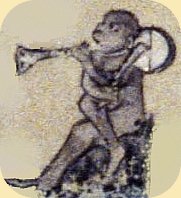
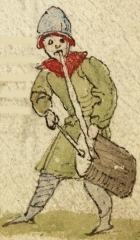
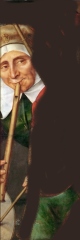
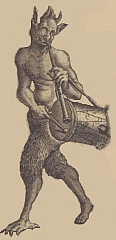
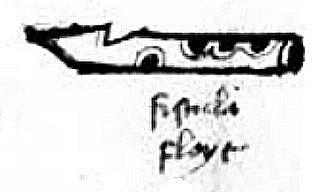 14th century copy of French drawing originally 14th century copy of French drawing originally by Alan of Lille; 'Alanus ab Insulis' c. 1128 – 1203 |
|||||||||||||||||||||||||||||||||||||||||||||||||||||||||||||||||||||||||
 14th / 15th century pipe, found in a cesspit in Garenmarkt 14th / 15th century pipe, found in a cesspit in Garenmarkt |
|||||||||||||||||||||||||||||||||||||||||||||||||||||||||||||||||||||||||
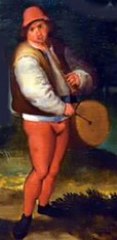
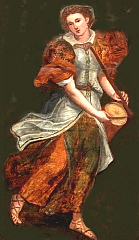
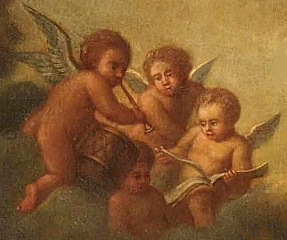
 17th century painting, allegory of hearing Flemish 17th century painting, allegory of hearing Flemish |
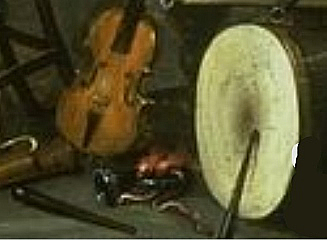 17th century painting, allegory of hearing, Antwerp 17th century painting, allegory of hearing, Antwerp |
||||||||||||||||||||||||||||||||||||||||||||||||||||||||||||||||||||||||
 1618 painting, allegory of hearing, Flemish 1618 painting, allegory of hearing, Flemish |
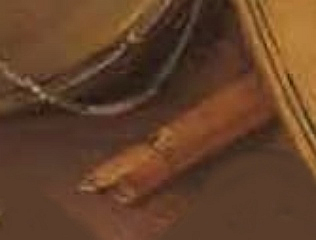 - close-up of pipe on ground next to drum - close-up of pipe on ground next to drum |
||||||||||||||||||||||||||||||||||||||||||||||||||||||||||||||||||||||||
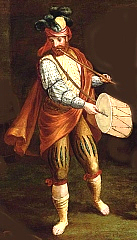
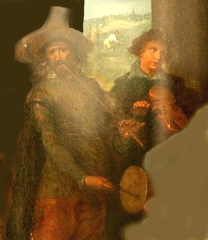
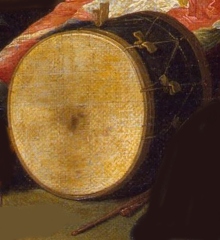 17th century painting, Antwerp 17th century painting, Antwerp |
 - close-uip of drumstick and pipe - close-uip of drumstick and pipe |
||||||||||||||||||||||||||||||||||||||||||||||||||||||||||||||||||||||||
|
|||||||||||||||||||||||||||||||||||||||||||||||||||||||||||||||||||||||||
|
|||||||||||||||||||||||||||||||||||||||||||||||||||||||||||||||||||||||||
1468 a musician played the flageol (flute) and the tabourin (drum) at the wedding of Charles the Bold |
|||||||||||||||||||||||||||||||||||||||||||||||||||||||||||||||||||||||||
|
|||||||||||||||||||||||||||||||||||||||||||||||||||||||||||||||||||||||||
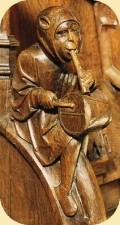
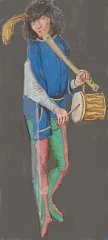 1480-90 Bruges 1480-90 Bruges |
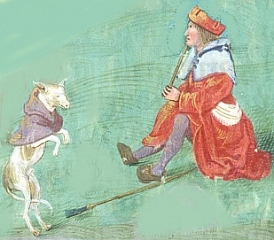 1480 Tournai or Lille, Belgium or France 1480 Tournai or Lille, Belgium or France |
||||||||||||||||||||||||||||||||||||||||||||||||||||||||||||||||||||||||
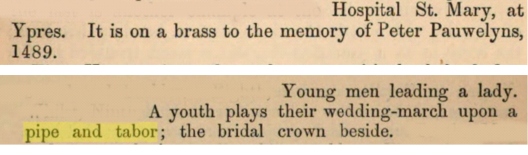 1489 wedding memorial, Ypres 1489 wedding memorial, Ypres'The archaeological journal'. 25. 1868 |
|||||||||||||||||||||||||||||||||||||||||||||||||||||||||||||||||||||||||
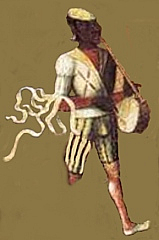 1493 'fool' at an archery contest 1493 'fool' at an archery contest |
|||||||||||||||||||||||||||||||||||||||||||||||||||||||||||||||||||||||||
|
|||||||||||||||||||||||||||||||||||||||||||||||||||||||||||||||||||||||||
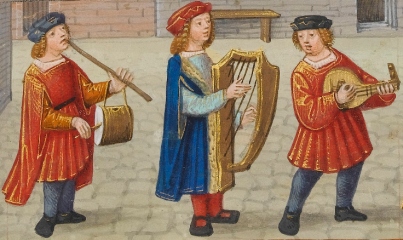 1510 Bruges 1510 Bruges |
|||||||||||||||||||||||||||||||||||||||||||||||||||||||||||||||||||||||||
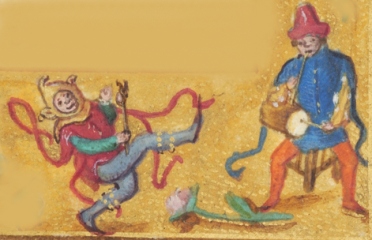 1520 Bruges 1520 Bruges |
|||||||||||||||||||||||||||||||||||||||||||||||||||||||||||||||||||||||||
|
|||||||||||||||||||||||||||||||||||||||||||||||||||||||||||||||||||||||||
1560 The low status of the taborer had was now a fact. An ordinance issued by the Saint Job's corporation of musicians |
|||||||||||||||||||||||||||||||||||||||||||||||||||||||||||||||||||||||||
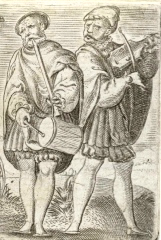
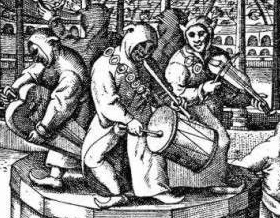 c. 1570 Feast of Fools, Antwerp c. 1570 Feast of Fools, Antwerp |
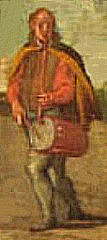 1583 Flemish 1583 Flemish |
||||||||||||||||||||||||||||||||||||||||||||||||||||||||||||||||||||||||
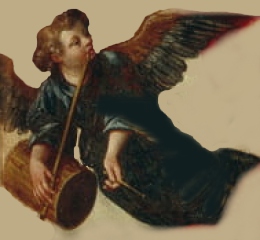 1590 painting, Flemish 1590 painting, Flemish |
 1590 biblical theme, Flemish 1590 biblical theme, Flemish |
||||||||||||||||||||||||||||||||||||||||||||||||||||||||||||||||||||||||
|
|||||||||||||||||||||||||||||||||||||||||||||||||||||||||||||||||||||||||
 1633 playing for a banquet 1633 playing for a banquet biblical painting, Flemish |
 1646 horn or pipe? biblical story, Flemish 1646 horn or pipe? biblical story, Flemish |
||||||||||||||||||||||||||||||||||||||||||||||||||||||||||||||||||||||||
|
|||||||||||||||||||||||||||||||||||||||||||||||||||||||||||||||||||||||||
|
|||||||||||||||||||||||||||||||||||||||||||||||||||||||||||||||||||||||||
| 1782 A petite flute de tambourin was part of the orchestra that played Colinette it la Cour, a comedic lyrique by the Belgian composer Gretry, in the Parisian Academic Royale. |
|||||||||||||||||||||||||||||||||||||||||||||||||||||||||||||||||||||||||
early 19th century Cornelius-Jean-Joseph (Corneel) Tuerlinckx 1783 –1855 a Belgian composer and conductor |
|||||||||||||||||||||||||||||||||||||||||||||||||||||||||||||||||||||||||
first half of the 19th century: Following the French fashion the pipe and tabor was possibly reintroduced |
|||||||||||||||||||||||||||||||||||||||||||||||||||||||||||||||||||||||||
1845 tabor pipes were sold by Verhasselt in Brussels, possibly sourced in France |
|||||||||||||||||||||||||||||||||||||||||||||||||||||||||||||||||||||||||
1930 The pipe and tabor was revived for the Brussels Omme gang (procession), following the mid-16th-century model. |
|||||||||||||||||||||||||||||||||||||||||||||||||||||||||||||||||||||||||
1970 another revival by Flemish folk instrument maker Herman Dewit (Kester). He designed his tabor pipes |
|||||||||||||||||||||||||||||||||||||||||||||||||||||||||||||||||||||||||
|
|||||||||||||||||||||||||||||||||||||||||||||||||||||||||||||||||||||||||
playing for dancing |
|||||||||||||||||||||||||||||||||||||||||||||||||||||||||||||||||||||||||
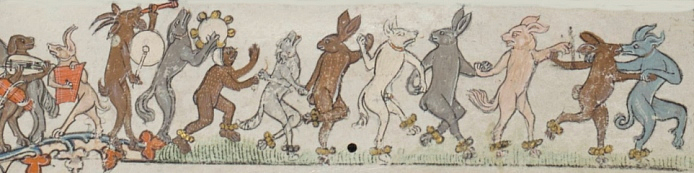
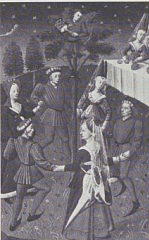 1320 no information 1320 no information |
 |
||||||||||||||||||||||||||||||||||||||||||||||||||||||||||||||||||||||||
|
|||||||||||||||||||||||||||||||||||||||||||||||||||||||||||||||||||||||||
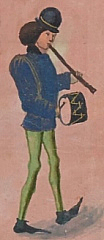
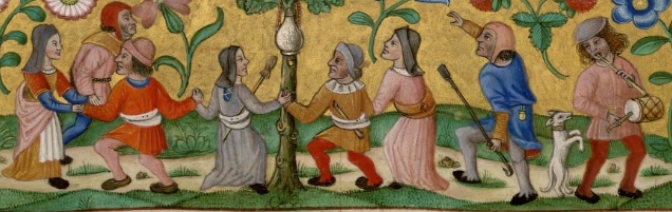
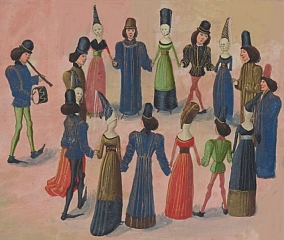 15th century Bruges 15th century Bruges |
 |
||||||||||||||||||||||||||||||||||||||||||||||||||||||||||||||||||||||||
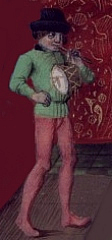
 1470-1480 basse dance, Bruges 1470-1480 basse dance, Bruges |
 |
||||||||||||||||||||||||||||||||||||||||||||||||||||||||||||||||||||||||
|
|||||||||||||||||||||||||||||||||||||||||||||||||||||||||||||||||||||||||
 16th century wedding dance, 16th century wedding dance, with bagpipe, etching, Flemish |
 1559 'Flemish Fair' 1559 'Flemish Fair' |
||||||||||||||||||||||||||||||||||||||||||||||||||||||||||||||||||||||||
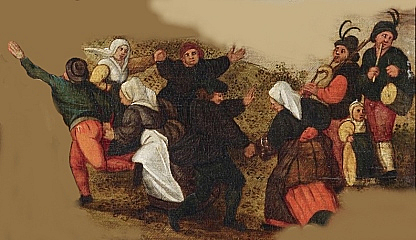 early 17th century painting, Antwerp early 17th century painting, Antwerp |
|||||||||||||||||||||||||||||||||||||||||||||||||||||||||||||||||||||||||
|
|||||||||||||||||||||||||||||||||||||||||||||||||||||||||||||||||||||||||
|
|||||||||||||||||||||||||||||||||||||||||||||||||||||||||||||||||||||||||
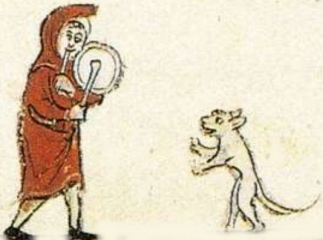


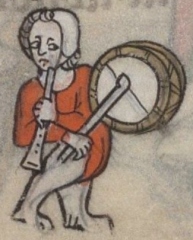
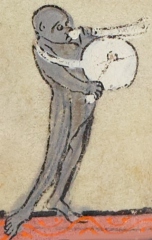

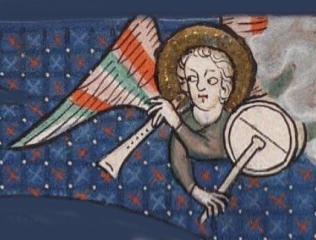
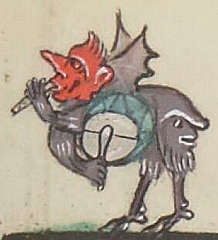





 1475
1475
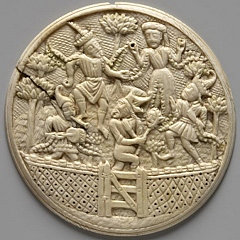
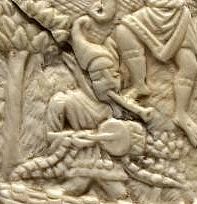
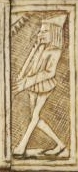

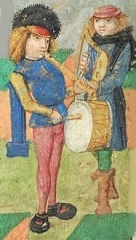







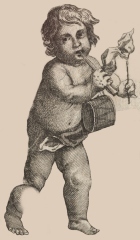


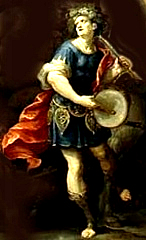


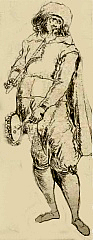

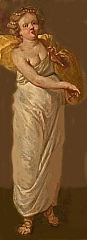 17th century









top of page