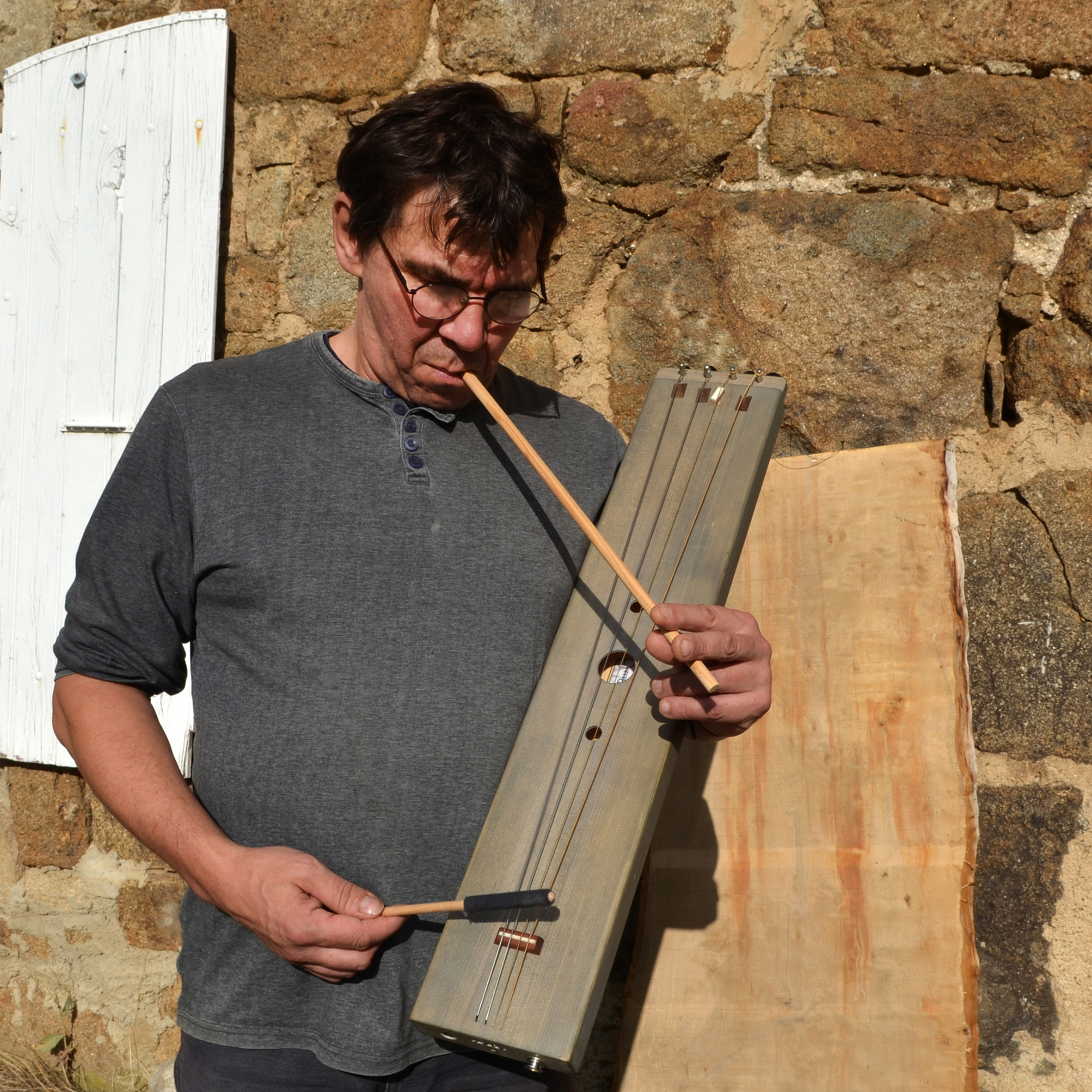
|
|
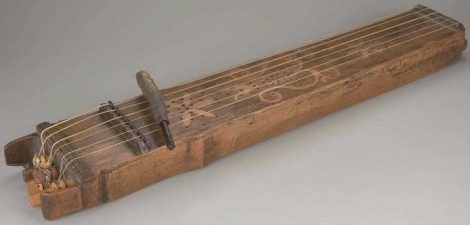
The string drum goes by many names according to the region of Europe. These include:
Choron / Corun / Chorus
in the Middle Ages, Chicotén or Salterio in Aragon (Spain); Ttun ttun or Sokazko Ttunttuna in the Basque country
(north Spain/France); Tamborin in Gascony (France).
There is no evidence that the sting drum was played in Great Britain.
There are also variations in the design of the instrument
according
to the region. The number of strings in medieval
and Renaissance times, for example, can vary between 2 and 9. |
| |
string drum, no pipe |
| In the 14th and 15th centuries the string drum was played on it's own, without a pipe. |
|
 1368 angel, manuscript, Czech Republic 1368 angel, manuscript, Czech Republic |
|
 |
 |
 late 14th century angel on the back late 14th century angel on the back
of a chair
belonging to one of the officiants
at the Chartreuse de Champmol,
Dijon
Burgundy, France |
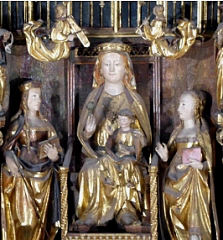
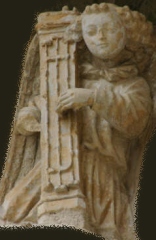
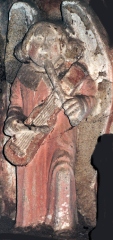
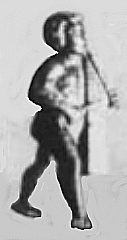
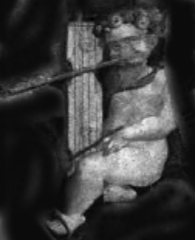
14th century angel, altarpiece, Lekeitio, Vizcaya, Basque country [Virgin and Child], Spain |
|
|
| |
1375-1400 5 angel images from
a book of hours,
Rennes, Brittany, France |
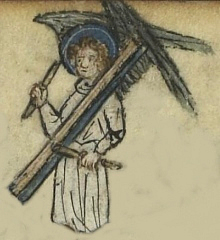 f.69v f.69v
|
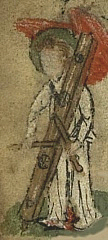 f.105v f.105v |
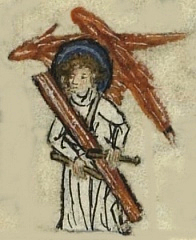 f.140v f.140v |
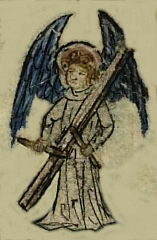 f.149v f.149v |
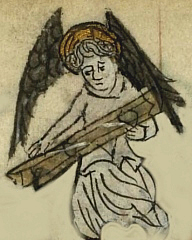 f.179v f.179v |
| |
 1410 Paris, France [f.155] 1410 Paris, France [f.155] |
 1410 Paris, France [f.155v] 1410 Paris, France [f.155v] |
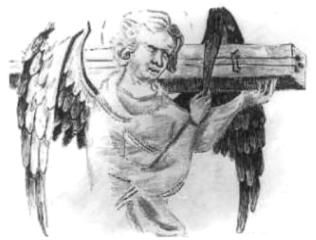 1382 angel, sketch from the Apocalypse Tapestry, Maine-et-Loire, France 1382 angel, sketch from the Apocalypse Tapestry, Maine-et-Loire, France |
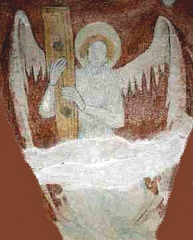 1410 angel, Central Bohemia, Czech Republic 1410 angel, Central Bohemia, Czech Republic |
|
|
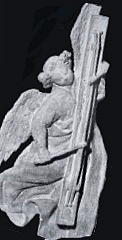 1400-1425 terracotta angel 1400-1425 terracotta angel
Palau Dalmases chapel,
Barcelona, Spain |
|
 |
|
15th century angel player with two sticks
Castelló d'Empúries,
Girona, Catalonia, Spain
|
|
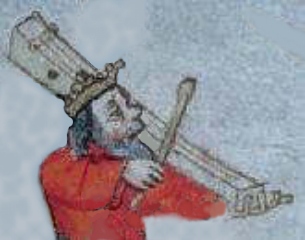
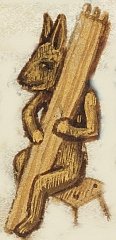 1450-60 manuscript 1450-60 manuscript
Poitiers, France |
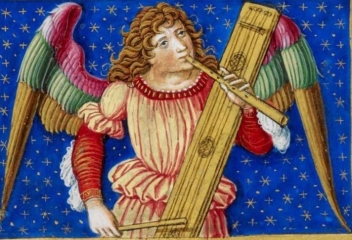
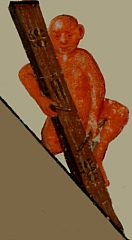 between 1475 and 1499 manuscript between 1475 and 1499 manuscript
France [f.42r] |
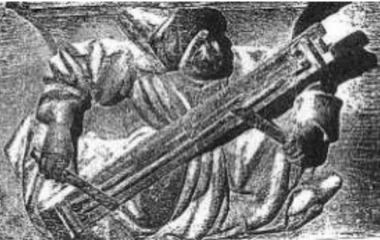 15th century misericord, Rouen Cathedral, Normandy, France [now disappeared] 15th century misericord, Rouen Cathedral, Normandy, France [now disappeared] |
 15th / 16th century stone carving 15th / 16th century stone carving
The Church of Saint-Maclou, Rouen
|
|
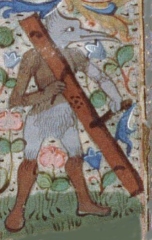 15th/16th century 15th/16th century
Amiens, France [image 32] |
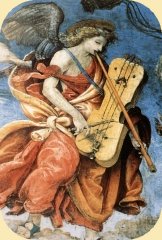
 1520 fresco, Pomarance, Pisa, Italy 1520 fresco, Pomarance, Pisa, Italy |
 1527 painting 1527 painting
Abbadia a Isola, Tuscany, Italy |
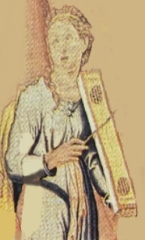 1550 tapestry, Brussels 1550 tapestry, Brussels
Belgium [page 15] |
|
|
early 15th century France; Jean de Gerson described :
"a certain oblong, hollow instrument in the form of a beam, having two or three strings much thicker than those
of the cithara, which when diversely struck with sticks give a rude sound”
‘A treatise by Master Johannes Gerson, Chancellor of Paris, an excellent doctor, on the temptations, suggestions, and impulses of the evil spirit.’ page 52 |
| |
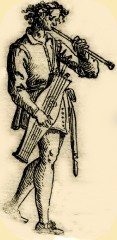
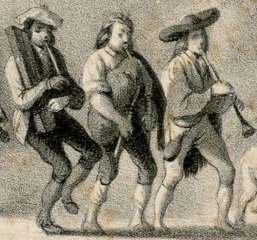
pipe and string drum |
14th, 15th and 16th centuries there are descriptions of string drums throughout Europe, especially in France,
the Netherlands, Italy and the Iberian Peninsula. In the mountain villages of France and Spain there is a continuing
tradition to the present day. There do not appear to be records of the string drum being played in Great Britain. |
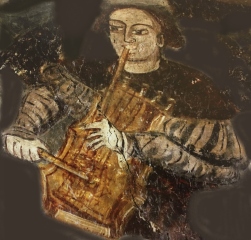 14th century fresco Church of Carraascal de Velambelez, Salamanca, Spain 14th century fresco Church of Carraascal de Velambelez, Salamanca, Spain
|
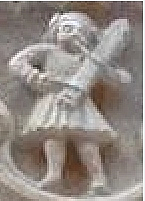 15th century stone carving 15th century stone carving
Sulmona, Italy |
|
|
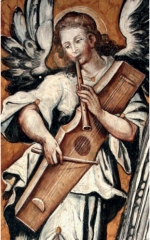 |
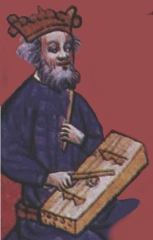 1448 hammer dulcimer or chorus 1448 hammer dulcimer or chorus
or pipe and not-a-string-drum? |
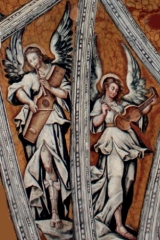
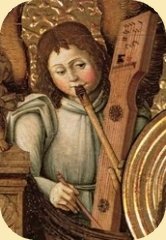 between 1487 and 1506 church between 1487 and 1506 church
of Fontdepou in Àger La Noguera
Lleida, Catalonia, Spain |
angels playing string drum and viol in the village
of Cervera del Río Alhama
(Rioja Baja, Spain) |
|
|
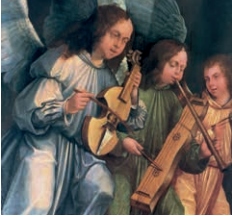 1515 angel, Lisbon, Portugal 1515 angel, Lisbon, Portugal |
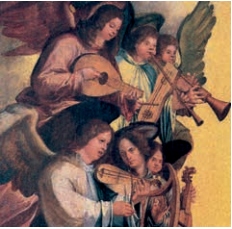 c.1515 painted
altarpiece with angels, 'Assumptionof the Virgin', Convento da Madre c.1515 painted
altarpiece with angels, 'Assumptionof the Virgin', Convento da Madre
de Deus,
Lisbon, Portugal |
|
|
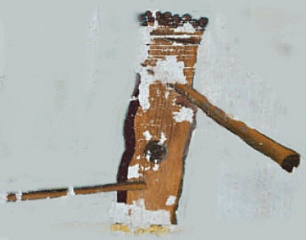 1510-1550 pipe and string drum, Palace of the Counts of Miranda 1510-1550 pipe and string drum, Palace of the Counts of Miranda
in Peñaranda de Duero, Burgos, Spain |
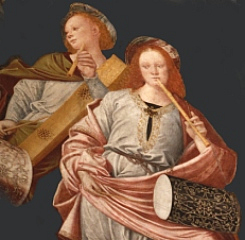 1536 'Concert of Angels, Saranno, Italy [detail] 1536 'Concert of Angels, Saranno, Italy [detail] |
1592 string drums in an inventory of musical instruments:
Alarcón in Cuenca, Spain.
“Two Buttafuoco cloth bags ”
‘Musical Instruments in A 1592 Inventory of The Marquis Ferdinando D'alarçon’ by Alberto Mammarella |
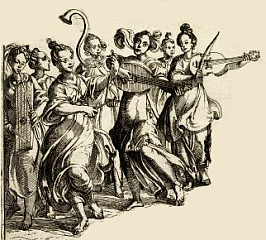 1592 'Spring' mythological, Rome, Italy 1592 'Spring' mythological, Rome, Italy |
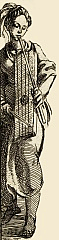 |
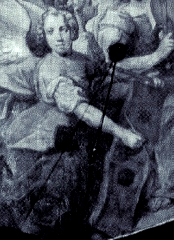 1598 part of angel band,
Valencia, Spain 1598 part of angel band,
Valencia, Spain |
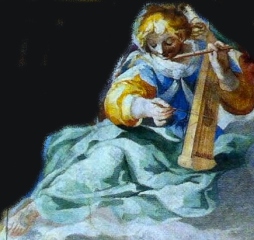 16th century Siena, Italy (detail) 16th century Siena, Italy (detail) |
|
|
|
1600
Italy, book appendix:
‘Alcune considerazioni attorno al buttafuoco’,
(Some considerations about the string drum) by John Henry van der Meer,
in ‘Libro per scriver l'intavolatura per sonar sopra le sordelline’by Giovanni Lorenzo Baldano,(Savona 1600) |
1611 string drum definition in one of the first Spanish dictionaries:
‘The instrument that we now call the salterio is an instrument a little wider than a span, and a vara [a measure
of about 83 cm] long, hollow inside, and with the ribs four fingers high. It has many strings, all made of metal
and arranged in such a way that by playing them all together with a stick garnished with a cloth, it makes
a gentle sound; and their equality serves as a drone for the pipe that the musician of this instrument plays
with the left hand, and according to the tune he wants to make, he follows the beat with the stick. It is used
in the villages, in processions, at weddings, and in dances.”
‘The Network of Musicians in Valladolid, 1550–1650: Training, Companies, Livelihoods, and Related Crafts and Trades’ by López Suero, Ana |
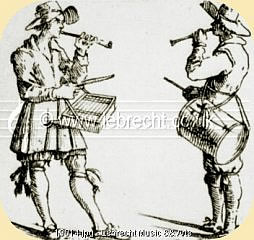 1625-30 Italy
Psalteries paired with the pipe appeared in the late 15th century. 1625-30 Italy
Psalteries paired with the pipe appeared in the late 15th century.
|
|
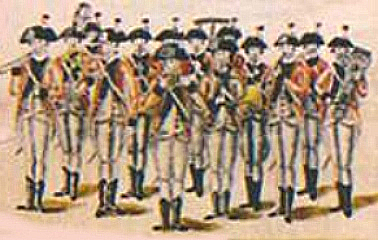
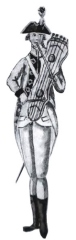
 1600-1650 modern replica figure 1600-1650 modern replica figure
of 'Tambourin du Bearn with Schwegel',
Music Corps Thirty Years' War Item No.: 671 |
|
|
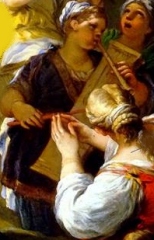 1687 Spain 1687 Spain |
|
 17th century? painting, House of Music 17th century? painting, House of Music
Strasbourg,
Grand Est, France [page 55] |
|
|
|
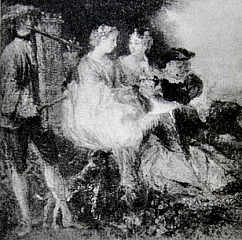
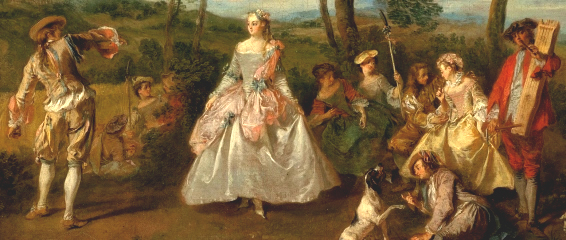
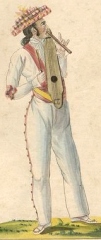
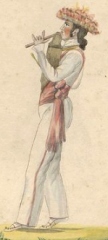
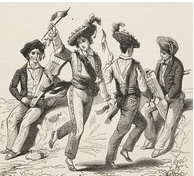
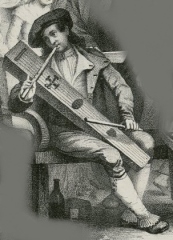
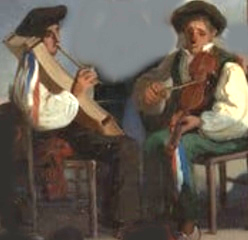
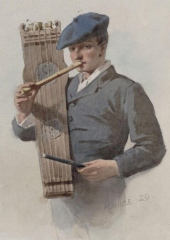
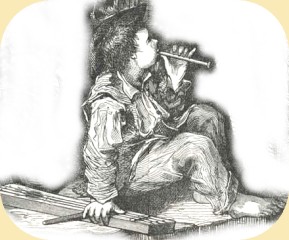
In the 18th century it became fashionable for the aristocracy to pretend to be peasants. Meanwhile in the Pyrenees
working class
agricultural men continued to play their traditional music with, and dancing to, the string drum. |
|
 1734 playing for dancing 1734 playing for dancing |
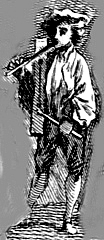 |
|
|
|
|
| |
|
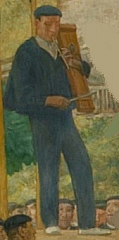
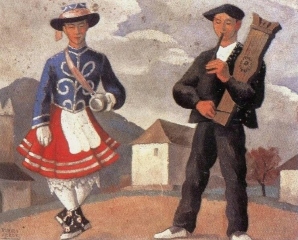
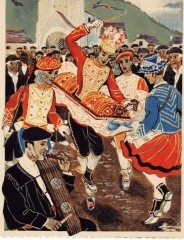
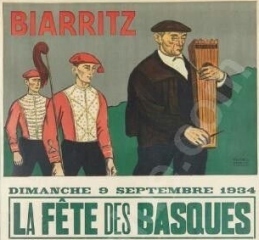
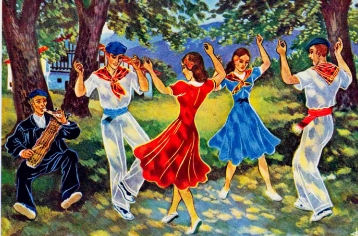
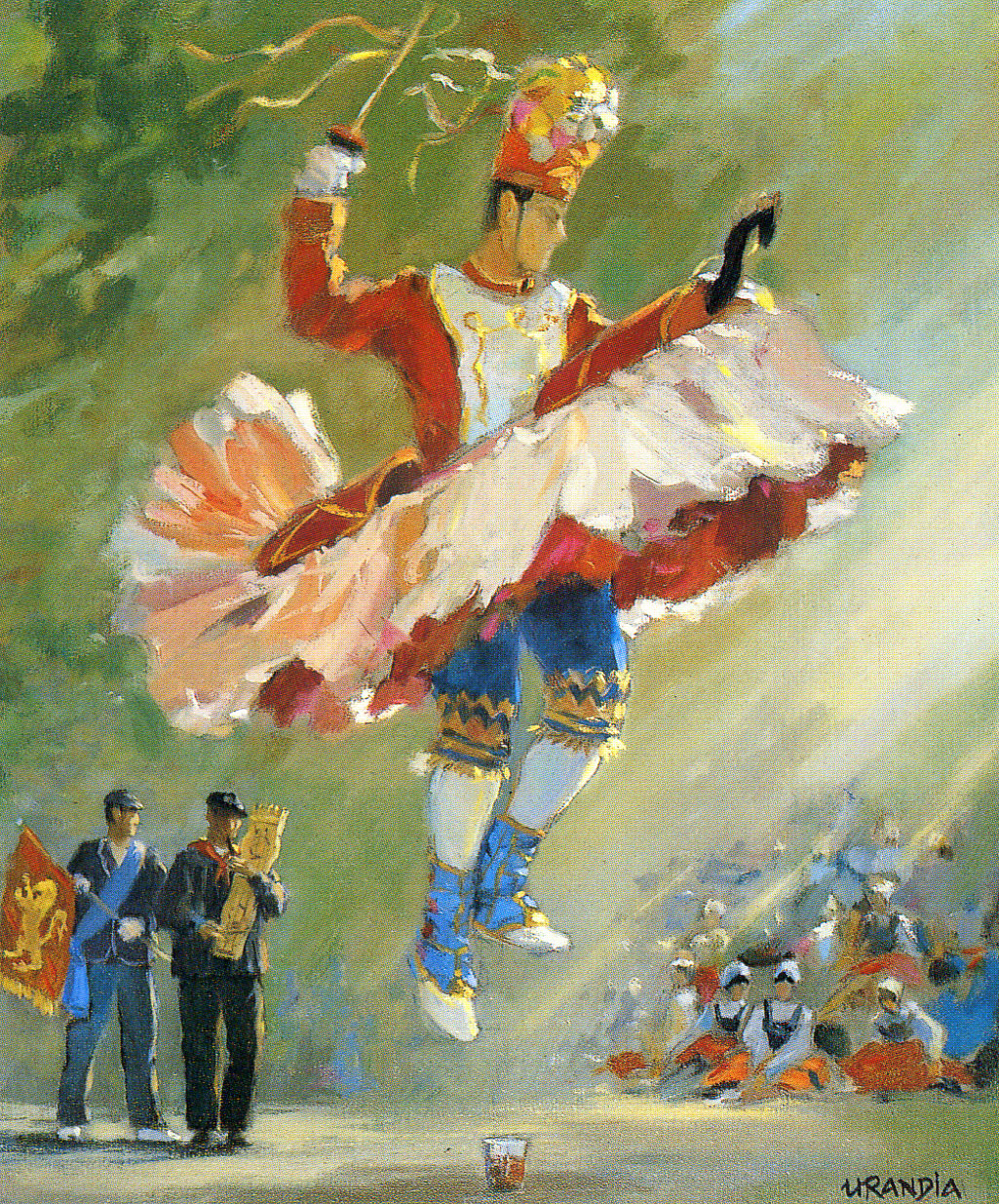
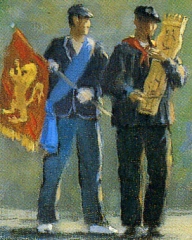 20th century, Basque, painting [detail] 20th century, Basque, painting [detail] |
|
|
|
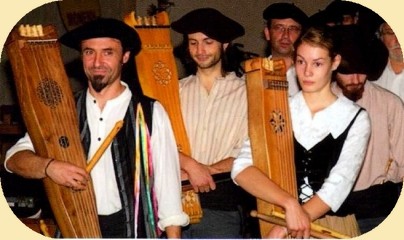 2007 Monein, SW France 2007 Monein, SW France |
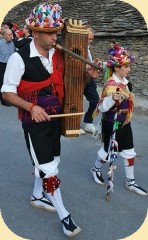 procession, Aragon, NE Spain procession, Aragon, NE Spain |
|
|

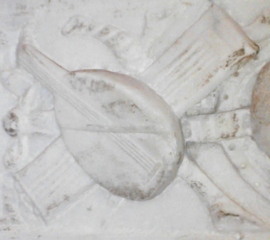
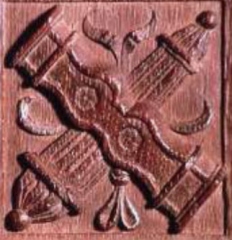
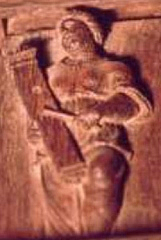
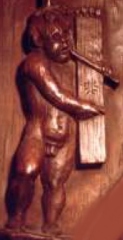


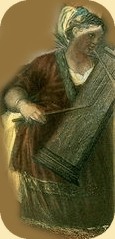
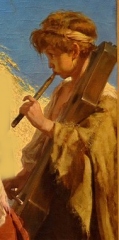
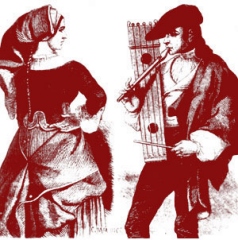
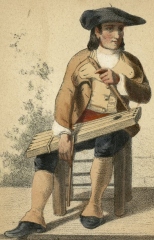
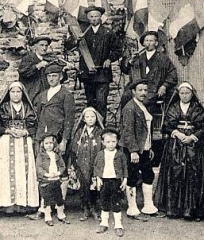
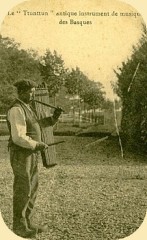
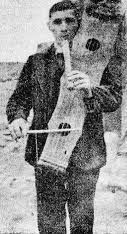
 1923
1923 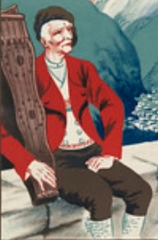
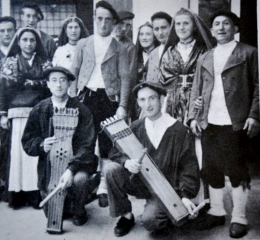 1948 Angeles-sur-Mer,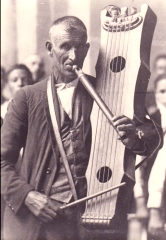
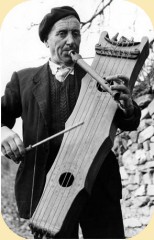
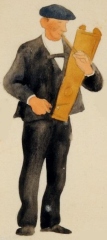
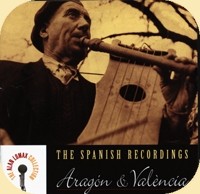


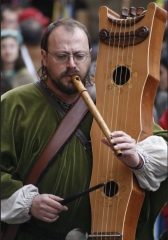 2008 Aragon, Spain
 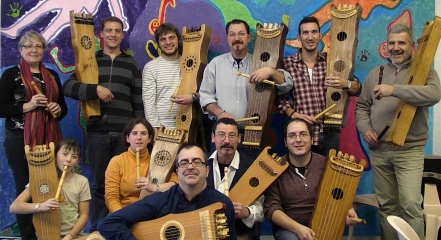 2009 French and Spanish string drum workshop
 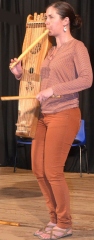 [source]
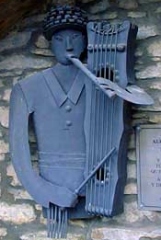 memorial on wall in Aragaon, Spain
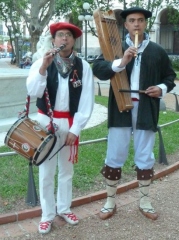
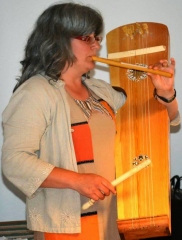
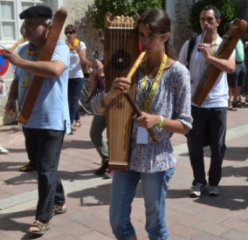
 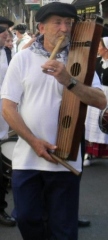 2012 Basque country Spain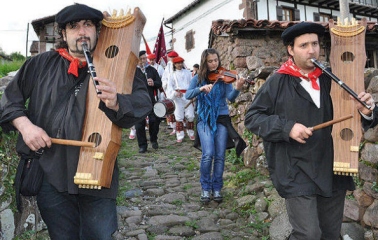
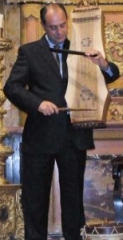
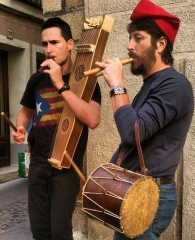
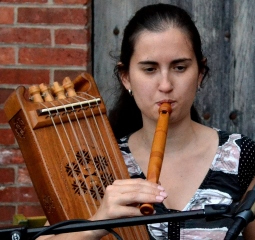
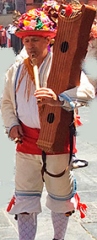
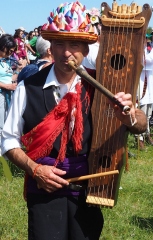

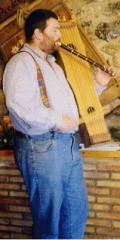
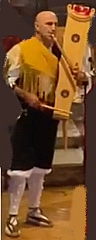
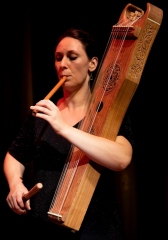
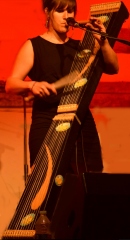
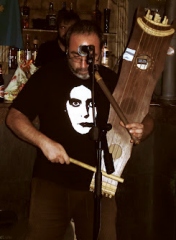
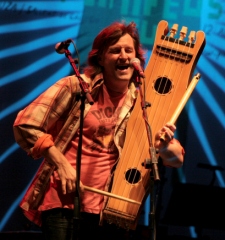
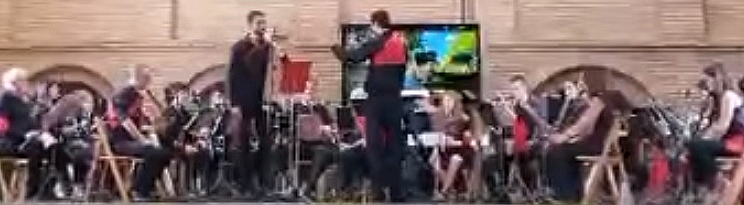
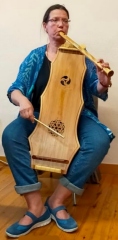
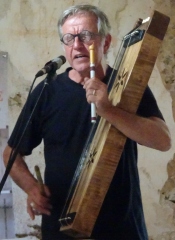

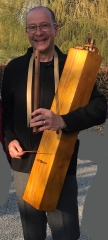

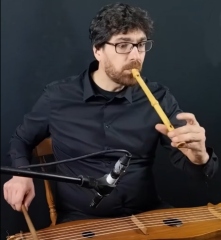


,_Coburg_State_Library,_Ms_Cas_43.jpg)


_-_Mus%C3%A9e_des_beaux-arts_-_%22Aragonaises_d'Anso%22_(Jean-Pierre-Alexandre_Antigna,_1817-1878)_(49442887941).jpg)


![[source]](https://en.wikipedia.org/wiki/Psalterium_(instrument)#/media/File:Espartenhas_-_Campestral_2016_au_Passage_d'Agen_(1).jpg)