Europe Iconography: France
15th century
under construction
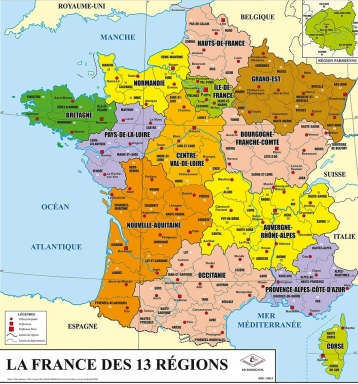 |
||||||||||||||||||||||||||||||||
|
||||||||||||||||||||||||||||||||
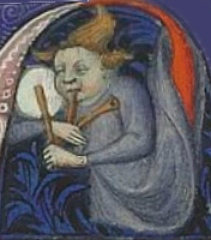 1400-1410 manuscript F 37v 1400-1410 manuscript F 37v |
|
|||||||||||||||||||||||||||||||
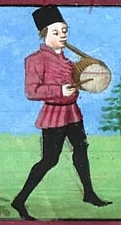 15th century book illustration 340v 15th century book illustration 340v |
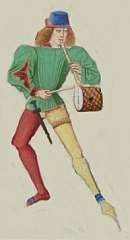 15th century book illustration 1r [Français 2644] 15th century book illustration 1r [Français 2644] |
 15th century book illustration 9r 15th century book illustration 9r |
||||||||||||||||||||||||||||||
 15th century book illustration 154v 15th century book illustration 154v |
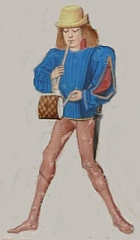 15th century book illustration 15th century book illustration171r |
 15th century book illustration 15th century book illustration[Français 2643 f.97v] |
||||||||||||||||||||||||||||||
 1481 Lyon Cathedral 1481 Lyon Cathedral Auvergne-Rhône-Alpes |
||||||||||||||||||||||||||||||||
|
||||||||||||||||||||||||||||||||
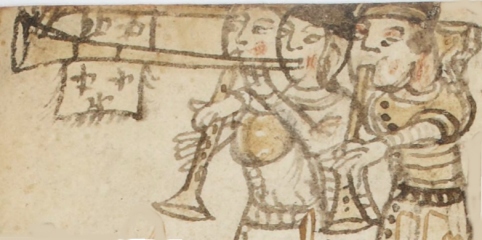
 1470 manuscript marginal image 1470 manuscript marginal image |
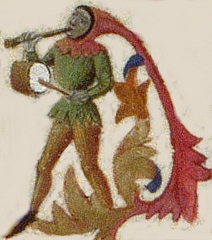 15th century manuscript marginal image 15th century manuscript marginal image |
 1478 entertaining at a meal, woodcut in a printed book 1478 entertaining at a meal, woodcut in a printed bookLyon, Auvergne-Rhône-Alpes |
||||||||||||||||||||||||||||||
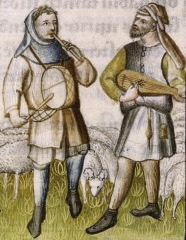
 1485-1499 shepherd, Tours, Val de Loire 1485-1499 shepherd, Tours, Val de Loire |
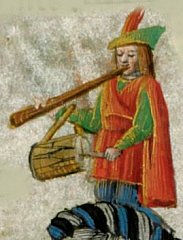 1490-1500 manuscript, Armorial of the Round Table 1490-1500 manuscript, Armorial of the Round Table |
|||||||||||||||||||||||||||||||
 15th century on horseback 15th century on horsebackastrological text: Libra |
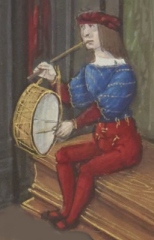 between 1498 and 1502 between 1498 and 1502 |
|||||||||||||||||||||||||||||||
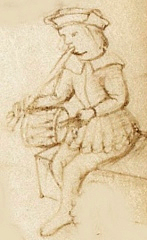
1430's A pipe and tabor player charged with taking part in a fight in Rouen, Normandy, might have been a novice, ‘The musical sounds of medieval French cities : players, patrons, and politics’ by Peters, Gretchen, 2012 |
||||||||||||||||||||||||||||||||
1436 For the 'celebration of peace' on February 20, in Narbonne, Occitania, in commemoration of the Treaty of Arras |
||||||||||||||||||||||||||||||||
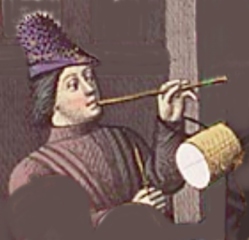
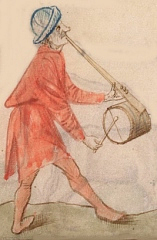
In the second half of the fifteenth century, pipe and tabor players appear in festivities 1450, Narbonne, among the substantial expenses for cheese and wine are three categories of musicians: 1451 a payment record reads “to Guissana,” the regular pipe and tabor player in Narbonne. This pipe and tabor 1481, a trumpet-kettledrum ensemble and four soft minstrels were hired; these included a pipe and tabor player. 1481
A few months later, a lavish reception was staged in honour of the return of the papal legate who was a strong |
||||||||||||||||||||||||||||||||
Dijon, Bourgogne-Franche-Comté:
tax records include musicians who were offered tax breaks in the second half The financial constraints of two other pipe and tabor players are noted in tax records; one could not support his wife |
||||||||||||||||||||||||||||||||
Around 1466 Amiens, Hauts-de-France,a pipe and tabor player, while performing at the celebration of Saint Leu, No musician could engage himself for more than one event in a single day in Amiens.The minstrel guild in Amiens |
||||||||||||||||||||||||||||||||
Orléans, Centre-Val de Loire,
the civic-supported musician was Rotier, a pipe and tabor player, who was particularly |
||||||||||||||||||||||||||||||||
| Tours, Indre-et-Loire, "The three dancers were accompanied by a similarly adorned performer on the pipe and tabor, an instrumental combination commonly used to accompany moresques." |
||||||||||||||||||||||||||||||||
| late 15th century Lyons, Auvergne-Rhône-Alpes: music was played to the Count of Flanders that included two pipe and tabor players performing a set of various dances In 1498 musicians, including soft instrumentalists, were hired in Lyons for “the entrance of the Duke of Valentinois.” |
||||||||||||||||||||||||||||||||
The minstrel’s guild in Montpellier, Occitania:
… In the fifteenth century officers represented different categories of music ‘Urban Ministrels in Late Medieval Southern France: Opportunities, Status and Professional Relationships’ by Gretchen Peters In Montpellier the minstrels as a profession participated in an annual charitable custom on Ascension Day. ‘The musical sounds of medieval French cities : players, patrons, and politics’ by Peters, Gretchen, 2012 |
||||||||||||||||||||||||||||||||
|
||||||||||||||||||||||||||||||||
|
||||||||||||||||||||||||||||||||
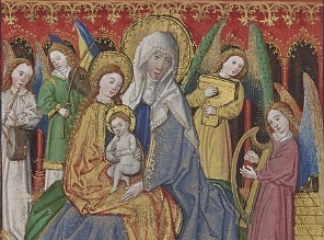
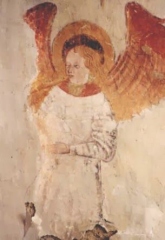 15th century angel, 15th century angel,Coudrecieux, Loire |
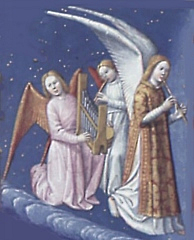
 1430 angel manuscript 1430 angel manuscript |
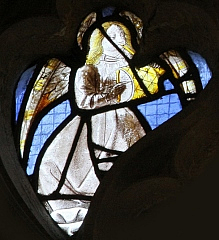 15th century angel, stained glass 15th century angel, stained glass Caudebec-en-Caux, Normandy |
||||||||||||||||||||||||||||||
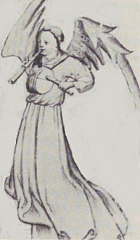 1460 angel, item 84 1460 angel, item 84 |
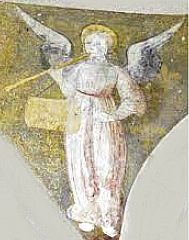 13th century restored 15th century angel, Auvergne Auvergne-Rhône-Alpes 13th century restored 15th century angel, Auvergne Auvergne-Rhône-Alpes |
 1446-1460 demon, Savoy 1446-1460 demon, Savoy Auvergne-Rhône-Alpes [Latin 9473 f.124v] |
||||||||||||||||||||||||||||||
|
||||||||||||||||||||||||||||||||
 1440-1460 monkey 1440-1460 monkey |
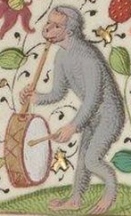 1475-1480 monkey 1475-1480 monkey |
|||||||||||||||||||||||||||||||
 1458-1465 dog player, Tours 1458-1465 dog player, Tours 'The cases of noble men and women' |
 15th century 15th century |
 1470-1480 copy, Angers 1470-1480 copy, Angers French translation of ‘Titus Livius, Ab urbe condita’ |
||||||||||||||||||||||||||||||
 1470 bear, Tours 1470 bear, Tours |
 end 15th century, bear, Paris end 15th century, bear, Paris |
|||||||||||||||||||||||||||||||
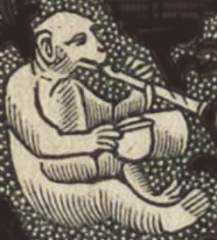 1498 reproduced in The ‘Biographical Decameron; 1498 reproduced in The ‘Biographical Decameron; or, Ten days pleasant discourse upon illuminated manuscripts, and subjects connected with early engraving, typography, and bibliography’ by Dibdin, Thomas Frognall, 1817 |
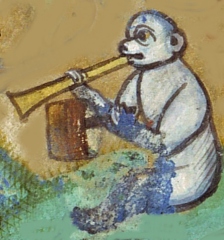 1500 manuscript, Paris 1500 manuscript, Paris |
|||||||||||||||||||||||||||||||
|
||||||||||||||||||||||||||||||||
|
||||||||||||||||||||||||||||||||
|
||||||||||||||||||||||||||||||||
|
 1468 entertainment
at a meal 1468 entertainment
at a meal |
 15th century book marginal image 15th century book marginal image |
||||||||||||||||||||||||||||||
|
||||||||||||||||||||||||||||||||
 |
 |
|||||||||||||||||||||||||||||||
15th century book illustration, originally written between 1230 and 1250 |
||||||||||||||||||||||||||||||||
1480-1505 description of the Marriage of Julius Caesar and the Queen of Bithynia: |
||||||||||||||||||||||||||||||||















top of page